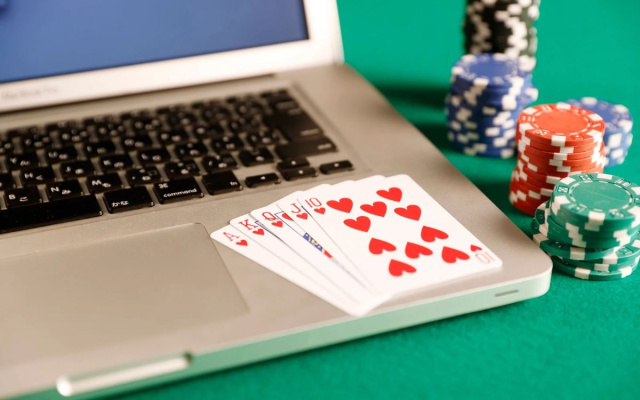
The Bulgarian government has approved amendments to the Gambling Act introducing a complete ban on gambling advertising, higher taxes and licensing fees for operators, and tighter financial and regulatory controls, the Council of Ministers announced after its regular meeting on November 11.
The bill, submitted to the National Assembly on November 11, prohibits the promotion of gambling games, their organizers and related brands, irrespective of the advertising format, channel or location.
Exceptions will allow limited use of gambling companies’ trademarks when they sponsor sports clubs, federations, associations and organizations, or support projects in culture, healthcare and education. However, restrictions will apply to television and online coverage of sponsored events. The proposed legislation also calls for the termination of activities by so-called affiliate operators, which advertise gambling games through affiliate marketing programs.
The amendments provide for a substantial increase in fees and taxes paid by the gambling industry.
A new one-time state fee will apply to companies seeking to obtain or renew licenses for the production, distribution, maintenance and import of gaming equipment. The charge will be 50,000 euros for a five-year license and 100,000 euros for a 10-year license.
The alternative tax under the Corporate Income Tax Act, which applies to gaming halls and casinos, will also rise in 2027. The quarterly levy per gaming machine will increase from 800 leva to 600 euros, while the tax on gaming tables will go up from 22,000 leva to 13,000 euros. The rate for other gaming equipment will rise from 5,000 leva to 3,000 euros per quarter.
From January 1, 2028, the alternative tax is expected to be replaced by a state fee comprising two parts: a fixed charge based on minimum monthly payments and a variable amount calculated according to the value of bets placed and winnings paid out. For online betting operators, the proposed minimum monthly state fee is 100,000 euros.
The bill also raises one-time charges for issuing and maintaining gambling licenses. The fee for lottery games, lotto and betting on sports results or random events, excluding online betting, will be set at 300,000 euros. Online betting licenses will cost 400,000 euros, while casino operators will pay 300,000 euros for a five-year license.
For all these categories, the fees will double when a 10-year license is issued.
Gaming hall operators will face a five-year licensing charge of 75,000 euros in towns and cities with populations of up to 500,000, and 150,000 euros in settlements with more than 500,000 residents. The respective amounts will also double for 10-year licenses.
The financial contributions gambling companies must make toward socially responsible policies aimed at preventing and reducing gambling addiction will increase as well. Operators will be required to pay 60,000 euros for online betting, 20,000 euros for casino games and 10,000 euros for other gambling activities.
The revenue from these contributions will be divided equally among the Ministry of Youth and Sports, the Ministry of Health and the Ministry of Education.
The proposed legislation also introduces tighter supervision of gambling operators. Foreign companies offering online betting services in Bulgaria will be required to maintain a business establishment in the country.
The amendments envisage a direct electronic connection between gambling operators’ gaming systems and the National Revenue Agency’s information systems. This arrangement will enable the agency to receive information either in real time or at specified intervals on bets placed, winnings paid and revenue generated.
Banks, payment service providers and electronic money institutions processing transactions for participation in gambling games and the payment of winnings will also face a new mandatory financial contribution. Any portion of the remuneration they receive for these services exceeding 1.5% of the transaction value will have to be transferred to the state budget.
The bill will now be examined by parliamentary committees and members of the National Assembly.