
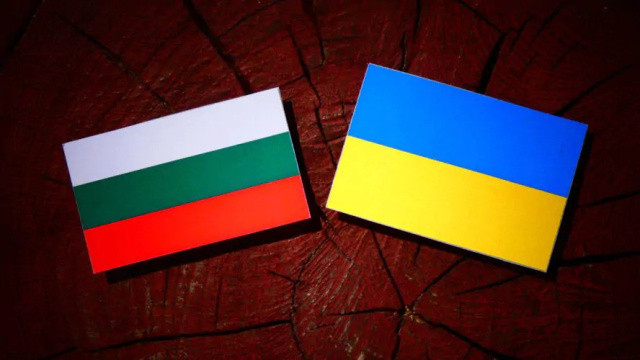
Bulgaria does not intend to provide additional weapons to Ukraine, Defense Minister Dimitar Stoyanov announced while outlining the priorities of the Ministry of Defense during the current government’s mandate.
Speaking at a press conference, Stoyanov argued that the conflict has reached a stage where a military solution is unlikely and that efforts should instead focus on diplomacy. According to the minister, the war has become largely positional, with continued deliveries of military equipment failing to produce a decisive outcome on the battlefield.
“The war in Ukraine will not be resolved on the battlefield. We see a positional war, and no matter how much weaponry is accumulated, the only result is the loss of human lives,” Stoyanov said.
The defense minister called for negotiations between the parties involved in the conflict, stressing that a lasting settlement can only be achieved through dialogue. “It is time to sit at the negotiating table. It is time to seek a just peace, and that peace must be determined by the two sides involved in the conflict,” he stated.
Stoyanov also emphasized the importance of the European Union in any future peace process, although he suggested that the bloc would face difficulties acting as a neutral mediator because of its support for Ukraine since the beginning of the war.
Explaining the government’s position on military assistance, the minister said Bulgaria sees no need to send additional arms. “Ukraine needs more people, not more weapons. It has enough weapons, so we do not envisage providing more weapons to the Ukrainian army,” he said.
Alongside the policy toward Ukraine, Stoyanov outlined broader defense priorities. He confirmed that Bulgaria has prepared a plan to increase defense spending to 5% of GDP by 2030. Under the proposal, 3.5% would be allocated directly to military expenditures, while the remaining 1.5% would cover defense-related investments such as infrastructure, cybersecurity, and other strategic capabilities.
The minister also pledged to accelerate projects aimed at modernizing the Bulgarian Armed Forces, describing them as a key objective of the Defense Ministry in the coming years.
Large quantities of Soviet-era tanks, armored vehicles, and artillery systems were exported mainly to the Czech Republic, Poland, and the UK, which analysts believe acted as intermediaries for deliveries to Ukraine. Alongside these indirect transfers, Bulgaria also provided limited direct aid, including anti-tank weapons and light arms in 2024 and 2025. Reports suggest that in the early months of the war, Bulgarian exports played a major role in supplying ammunition and fuel to Ukrainian forces. Overall, the data points to a sustained and structured flow of Bulgarian arms within NATO-aligned supply chains, despite differing political messaging at home.