
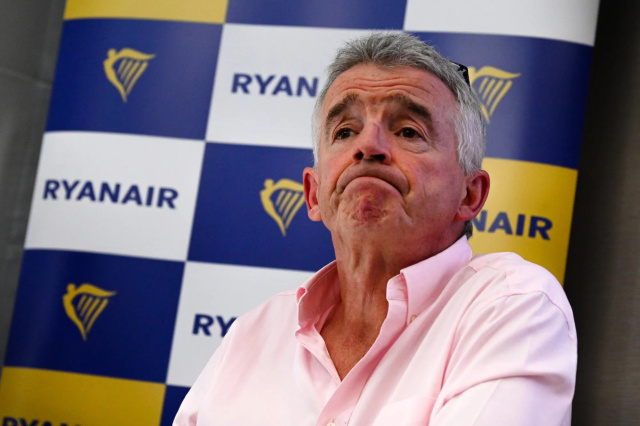
Ryanair CEO Michael O’Leary has warned that European airfares could climb by up to 20% in 2027 as jet fuel costs rise amid the ongoing conflict involving Iran, Euronews reported.
O’Leary also criticized environmental taxes imposed by European countries, arguing that they add to airlines’ operating costs.
He said most European carriers would have limited protection against fuel price increases from April 2027, as their existing fuel-price hedging contracts gradually expire.
Figures from the International Air Transport Association (IATA) show that the average price of jet fuel in Europe and the Commonwealth of Independent States (CIS) reached USD207.61 per barrel in the week ending October 16, marking a year-on-year increase of nearly 128%. Ryanair has secured fuel for the current year at approximately USD67 per barrel, O’Leary said, adding that he expects the airline’s fuel costs to double in 2027.
“Next year, we will see airfare prices in Europe rise by 10%, 15%, or perhaps even 20%. I believe this will be the largest price increase in the history of European aviation over a 12-month period,” O’Leary said at a press conference in Brussels.
He added that Ryanair would have to purchase most of its fuel at prevailing market prices in 2027. “Next year, 85% of our fuel requirements will be unhedged against price fluctuations, and most other European airlines are in a similar position,” O’Leary said.
Oil and petroleum product prices, including jet fuel, have surged since the outbreak of war in Iran and the effective closure of the Strait of Hormuz. Brent crude futures reached USD109.86 per barrel on Wednesday, approaching a five-month high.
O’Leary also expects further upward pressure on airfares in 2027 as bankruptcies and acquisitions among European airlines reduce the number of available seats.
During his visit to Brussels, the Ryanair chief announced a substantial reduction in the airline’s operations in Belgium in response to plans to raise the aviation tax from €2 to €7 starting in January 2027.
Ryanair will remove 20 routes and 1.1 million seats from its winter schedule in Belgium, while transferring six aircraft to European markets with lower operating costs.