
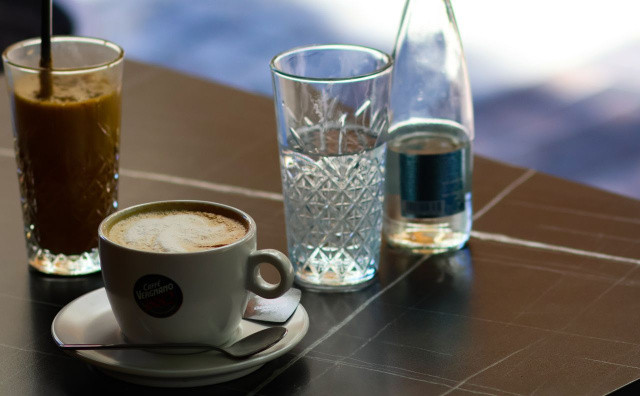
Coffee pricing patterns in Sofia are raising questions about how Bulgaria’s hospitality sector compares with established European markets, particularly in high-traffic tourist zones such as Vitosha Boulevard. In central Sofia, a standard espresso or milk-based coffee now typically costs between 3.50 and over 4.00 euros, with additional price increases when plant-based milk alternatives are selected.
By contrast, in Italy, where coffee consumption is deeply embedded in daily culture, the average price for a coffee ranges between 1.60 and 2.00 euros. In traditional Italian bars, where customers often drink standing at the counter, espresso prices can fall to around 1.00 to 1.50 euros. However, seating at a table usually triggers additional service costs, known locally as coperto, which can raise the total bill. Even so, comparative estimates suggest that overall spending in Italy often remains below Bulgarian levels for similar coffee experiences.
Market behavior in Bulgaria shows a different pricing structure, where low-cost coffee options are now largely limited to peripheral kiosks, vending machines, or late-night shops. In premium urban locations, especially central Sofia, prices remain consistently elevated compared to many Western European benchmarks.
The trend is not restricted to the capital. In Varna, for example, combined purchases such as coffee and bottled water have reportedly reached approximately 4.80 euros, indicating that elevated pricing is present in other major urban markets as well.
Comparative data from Germany further highlights the discrepancy. In Cologne, coffee in central areas is reported at an average of around 3.00 euros, including in well-positioned and high-visibility retail locations. This places it below equivalent offerings in Sofia’s central districts, despite Germany’s significantly higher overall income levels.
The pricing gap is increasingly being linked to broader questions about consumer purchasing power in Bulgaria and the structure of profit margins within the local hospitality industry.