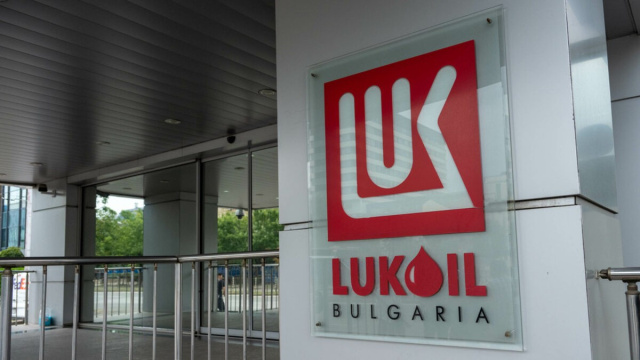
The UK has extended the license allowing business operations with Bulgarian companies from the LUKOIL group until October 29, 2026, the Bulgarian Ministry of Economy said. The extension, requested by Bulgaria, covers LUKOIL Bulgaria, LUKOIL Neftochim Burgas, LUKOIL Aviation Bulgaria and LUKOIL Bunker Bulgaria and is intended to ensure the refinery’s continued operation and security of fuel supplies.
The authorization was granted by the Office of Financial Sanctions Enforcement (OFSI) at the UK Treasury. It allows payments and other financial transactions necessary for the companies’ daily operations, enabling banks, suppliers and other business partners to continue working with them without violating the UK sanctions regime.
The extension was agreed following government-level discussions led by Prime Minister Rumen Radev, with the Energy and Foreign Affairs ministries coordinating with British counterparts. Bulgaria requested the new deadline to coincide with the authorization granted by US authorities, which is also valid until October 29.
“We have taken the necessary actions to ensure the security of supplies and the smooth operation of the refinery,” Deputy Prime Minister Pulev said.
This is the fourth extension of the British license. The UK imposed sanctions on LUKOIL in October 2025 over the company’s role in the Russian economy amid the war in Ukraine. A special license for the Bulgarian companies was first issued in November 2025 and was initially set to expire in February 2026.
LUKOIL is also subject to US sanctions. The United States included the Russian oil company, Rosneft and dozens of related companies in a sanctions package introduced in October 2025.
The Bulgarian government said it will continue to monitor the situation and work with international partners to ensure the continued operation of the refinery in Bulgaria.
The UK imposed its own sanctions on Russian oil giant LUKOIL in October 2025. Under British law, LUKOIL and companies it owns or controls became subject to UK financial sanctions. British companies, banks, financial institutions and other persons subject to UK jurisdiction have to comply with those sanctions. If they conduct transactions involving a sanctioned entity, they can potentially violate UK law. An OFSI’s “license” is essentially a permission under UK sanctions law. It says, in effect: although LUKOIL is sanctioned by the UK, certain transactions involving these Bulgarian LUKOIL subsidiaries are permitted until October 29. If there were no exemption, a Bulgarian LUKOIL company making a payment through a UK bank, to a British company, or involving another entity subject to UK sanctions could create legal problems for the parties involved.