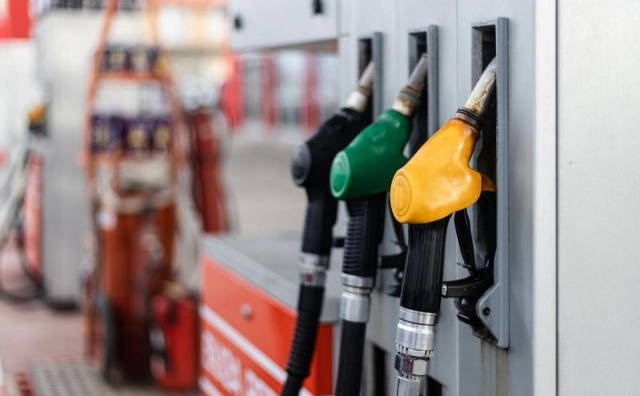
Fuel prices in Bulgaria are expected to decline in the coming months as the market moves toward normalization, according to Deputy Prime Minister and Economy Minister Alexander Pulev and Evgeni Simeonov, the special commercial manager of the Burgas oil refinery.
Speaking at a briefing at the refinery, the two officials said the extension of the operating license for companies from the Lukoil group in Bulgaria had helped avert a serious energy crisis and prevent disruption in the country’s fuel market.
Simeonov said crude oil supplied to Bulgaria is purchased from major global companies and rejected speculation that the refinery is being supplied by sanctioned entities. He said oil supplies have been secured through the end of September, while negotiations for October deliveries are already underway.
Pulev said that after the extended license expires on October 29, Bulgaria will begin discussions with its American partners about securing a new derogation.
“The idea is that from now on there will be no divergence, that different governments and we as teams will not have to enter into separate parallel negotiation processes, negotiate with Great Britain, and three months later enter into negotiations with the American government,” Pulev said.
According to the deputy prime minister, the license extension has prevented a potential collapse of the domestic fuel market and allowed the refinery to continue operating normally.
“The refinery will continue to operate optimally. Gas stations will continue to operate. Fuel will be available at affordable prices, at prices that are most competitive compared to prices in the European Union,” he said.
Pulev also said Bulgaria is currently not taking part in negotiations concerning the possible sale of Lukoil’s Bulgarian businesses. He confirmed that there is information about discussions involving potential strategic investors, partners and consortiums, but said these talks are taking place at the level of the Russian holding company.
“The Bulgarian asset and the group of companies are within the scope of the overall deal, on which there are currently active negotiations. The Bulgarian side is not an active participant in these negotiations. These negotiations are at the holding level,” Pulev said.
Simeonov described July as the most successful month so far for Lukoil Neftochim and Lukoil Bulgaria. He said the refinery’s performance had improved and that the company had managed to overcome the potential cash-flow problems identified when he took over its management.
“The enterprise is improving and we managed to overcome all the risky scenarios for cash gaps that were outlined at the beginning, when I took over the management of the refinery,” Simeonov said.
The officials said the extension of the operating license has provided greater certainty for fuel supplies while negotiations continue over future arrangements. They also expressed expectations that the stabilization of supplies and the normalization of fuel markets will translate into lower prices for Bulgarian consumers in the months ahead.